HVAC Technician
Field & Trades
Installs and services the heating, cooling, and ventilation systems that keep a building livable, one of the few trades with a federal certification requirement baked into the job.
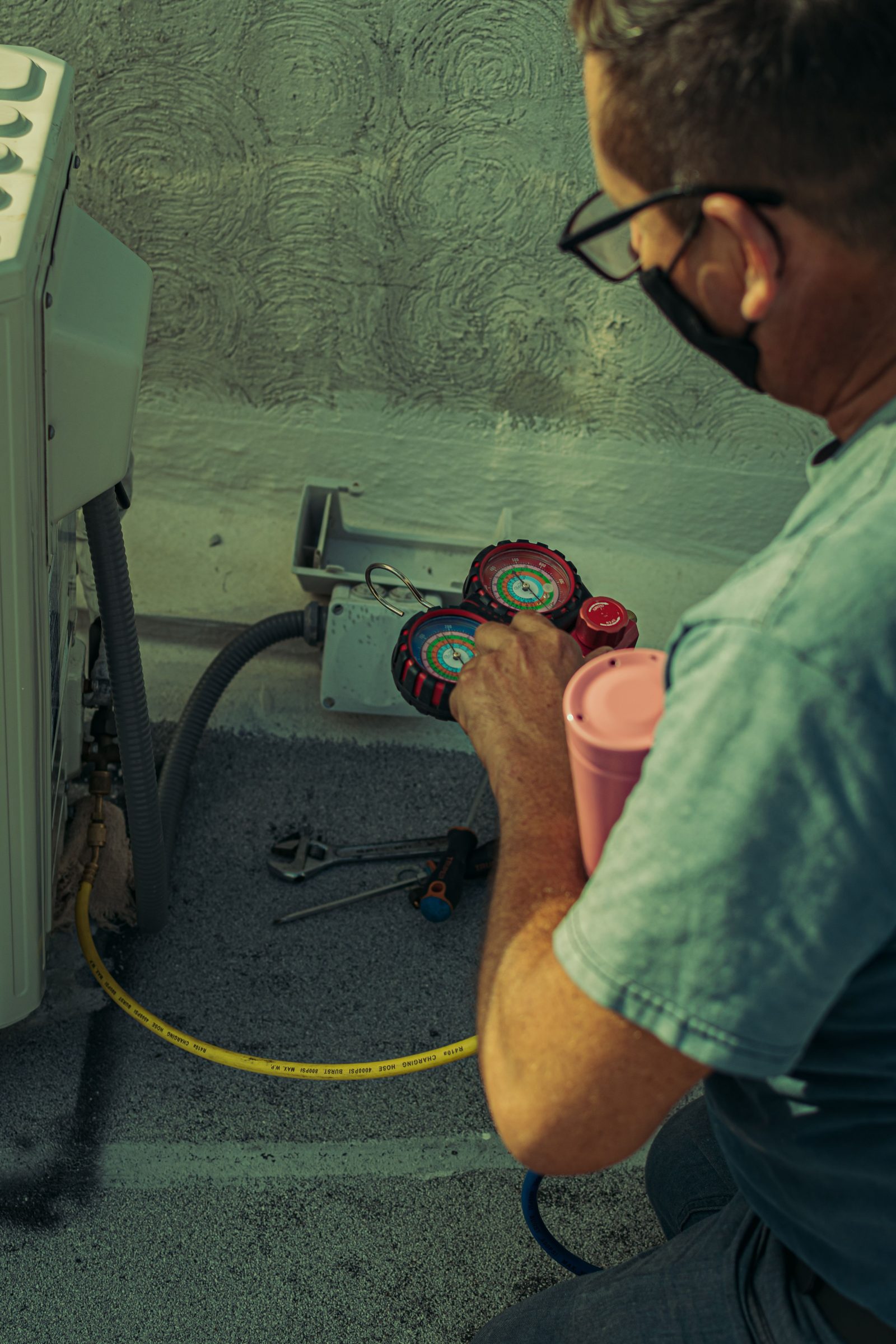
What is a HVAC Technician?
An HVAC (Heating, Ventilation, and Air Conditioning) Technician installs, maintains, and repairs the systems that heat, cool, and ventilate a building: furnaces, rooftop units, ductwork, and increasingly building automation controls. Unlike most trades, working with the refrigerants used in most HVAC equipment isn't optional to certify for: federal law (the Clean Air Act's Section 608 rule) requires anyone who handles regulated refrigerants to hold an EPA Section 608 certification, so this is one credential nearly every HVAC technician earns early on, not just a nice-to-have.
What they do
- Install ductwork, rooftop units, furnaces, and air handlers according to mechanical drawings
- Charge, recover, and service refrigerant in cooling systems, following EPA-regulated handling procedures
- Diagnose and repair failures in heating, cooling, and ventilation equipment
- Test and balance airflow through a finished system before it's turned over
- Read mechanical drawings and manufacturer specs to plan installation and troubleshoot problems
- Coordinate with electricians and plumbers so rough-in work doesn't conflict in shared wall or ceiling space
A typical day
- 6:30 AMReview the day's service calls or install tasks and load the truck with needed parts
- 7:30 AMInstall ductwork on a commercial rooftop unit installation
- 10:30 AMDiagnose a failed compressor at a service call, following EPA-required refrigerant recovery procedures
- 1:00 PMTest and balance airflow on a recently completed system
- 3:00 PMDocument completed work and refrigerant handling for the day's jobs
Skills
Software
Education
- Required:
- High school diploma or equivalent, then trade school or a registered apprenticeship (typically 3-5 years); an EPA Section 608 certification is legally required before working with regulated refrigerants, and a Journeyman HVAC license is legally required by most states/municipalities before working unsupervised
- Helpful:
- NATE (North American Technician Excellence) certification, and OSHA 10 or 30 (not a nationwide legal requirement, though several states, including New York, Massachusetts, Connecticut, Nevada, Missouri, and Rhode Island, legally require it for workers on public construction projects)
- Not necessary:
- A four-year college degree isn't part of this path; trade school or apprenticeship leading to licensure is the standard route
Career progression
- 1.Apprentice HVAC Technician
- 2.Journeyman HVAC Technician
- 3.Master HVAC Technician
- 4.HVAC Foreman or HVAC Contractor (running your own crew/business)
Who hires for this role
Explore next