Career
Plumber
Field & Trades
Installs and maintains the pipes and fixtures that bring in clean water and carry waste out, work that has to be right the first time, since most of it disappears behind a wall.
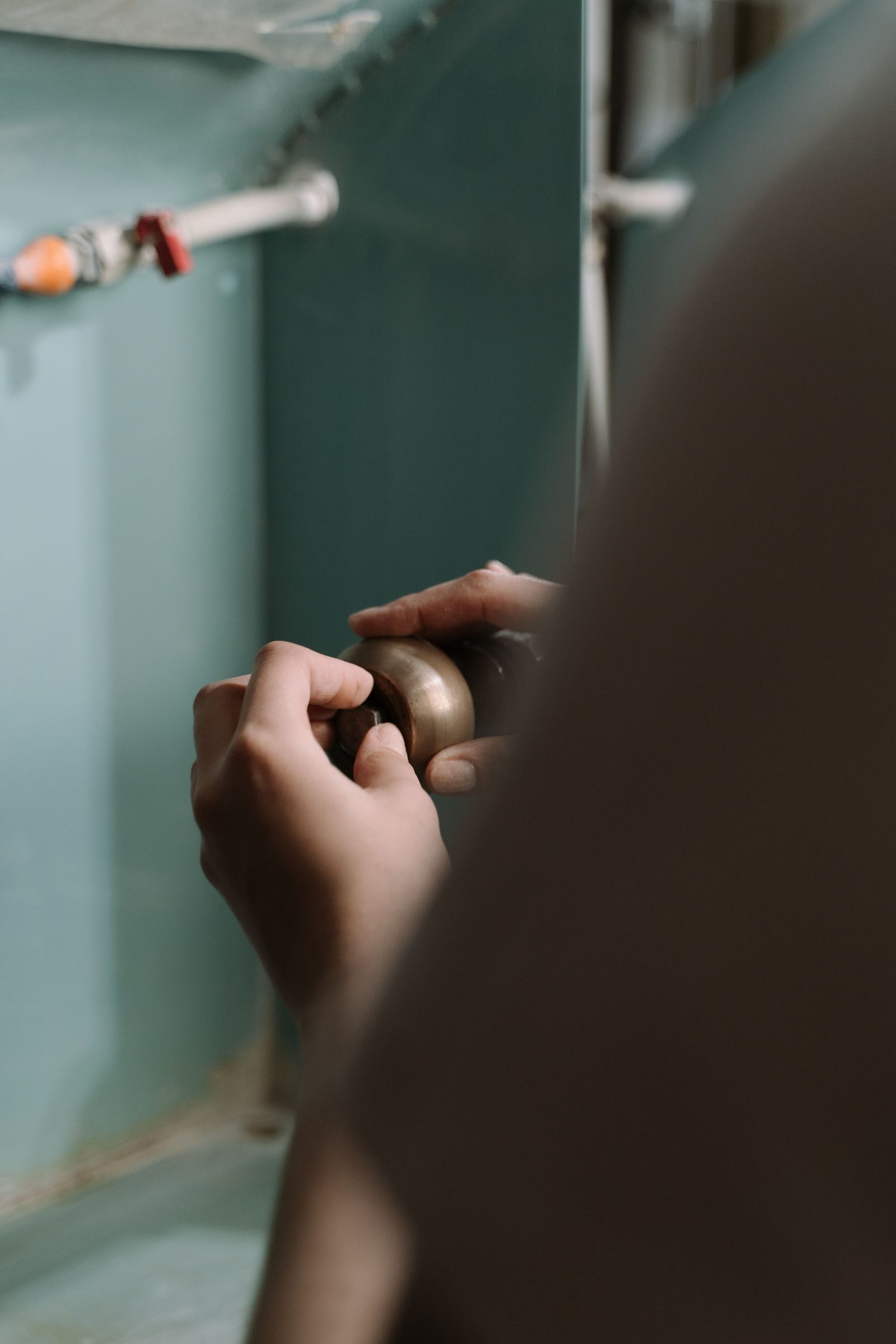
What is a Plumber?
A Plumber installs and maintains the water supply, drainage, and gas piping systems in a building, everything from the rough-in piping run through framed walls before drywall goes up, to the sinks, toilets, and water heaters installed at the very end of a project. Like electrical work, plumbing has to pass inspection against a plumbing code before it can be covered up, and most commercial plumbers work for a plumbing subcontractor rather than the general contractor directly.
What they do
- Run water supply and drain-waste-vent (DWV) piping through framed walls and floors before drywall (rough-in)
- Install fixtures, sinks, toilets, water heaters, backflow preventers, during trim-out
- Read plumbing drawings and isometric diagrams to plan pipe routing before cutting anything
- Pressure-test and inspect piping systems before they're covered up or put into service
- Troubleshoot leaks, clogs, and pressure problems and trace them back to the source
- Coordinate with electricians and HVAC crews so nobody's rough-in fights for the same wall or ceiling space
A typical day
- 6:30 AMReview the day's task list and pull fittings and pipe for the rough-in scheduled that day
- 7:00 AMRun DWV piping on the second floor, following the plumbing drawings' fixture locations
- 10:00 AMPressure-test yesterday's completed piping run before it gets covered
- 1:00 PMSet fixtures in a unit that's ready for trim-out
- 3:30 PMWalk finished rough-in with the inspector before the wall gets closed up
Skills
Reading plumbing drawings and codePipe fitting and installation (copper, PVC, PEX)Troubleshooting leaks and pressure issuesBlueprint math (pipe sizing, slope calculations)Working safely with pressurized systems and occasionally gas lines
Software
Bluebeam
Education
- Required:
- High school diploma or equivalent, then a registered apprenticeship (typically 4-5 years of paid on-the-job training plus classroom hours); a Journeyman Plumber license is legally required by most states/municipalities before working unsupervised; an apprentice works under a licensed plumber until then
- Helpful:
- OSHA 10 or 30 certification (not a nationwide legal requirement, though several states, including New York, Massachusetts, Connecticut, Nevada, Missouri, and Rhode Island, legally require it for workers on public construction projects) and backflow-prevention certification for working on potable water systems
- Not necessary:
- A four-year college degree isn't part of this path; like electrical work, the apprenticeship-to-license route is standard and pays during training rather than costing tuition
Career progression
- 1.Apprentice Plumber
- 2.Journeyman Plumber
- 3.Master Plumber
- 4.Plumbing Foreman or Plumbing Contractor (running your own crew/business)
Who hires for this role
Plumbing SubcontractorsGeneral Contractors (on projects that self-perform plumbing work)Facilities/Maintenance departments
Explore next
ConstructionGeneral ContractorRough-In PlumbingPlumbing FixturesWater HeaterBackflow PreventerSump Pump / Sewage EjectorSanitary SewerConfined Space EntryOSHA 10-Hour ConstructionNCCER Core CurriculumConstruction Interview Basics: What to ExpectField & Trades Interview GuidePipefitter / SteamfitterMEP EngineerResidential AppliancesFoodservice EquipmentGrease InterceptorDomestic Water Piping MaterialsWater Treatment & SofteningIrrigation System