Environmental/Remediation Specialist
Specialized Construction
Manages hazardous materials on a construction or demolition site, lead paint, asbestos, contaminated soil, where which certification is legally required depends entirely on which hazard is actually involved.
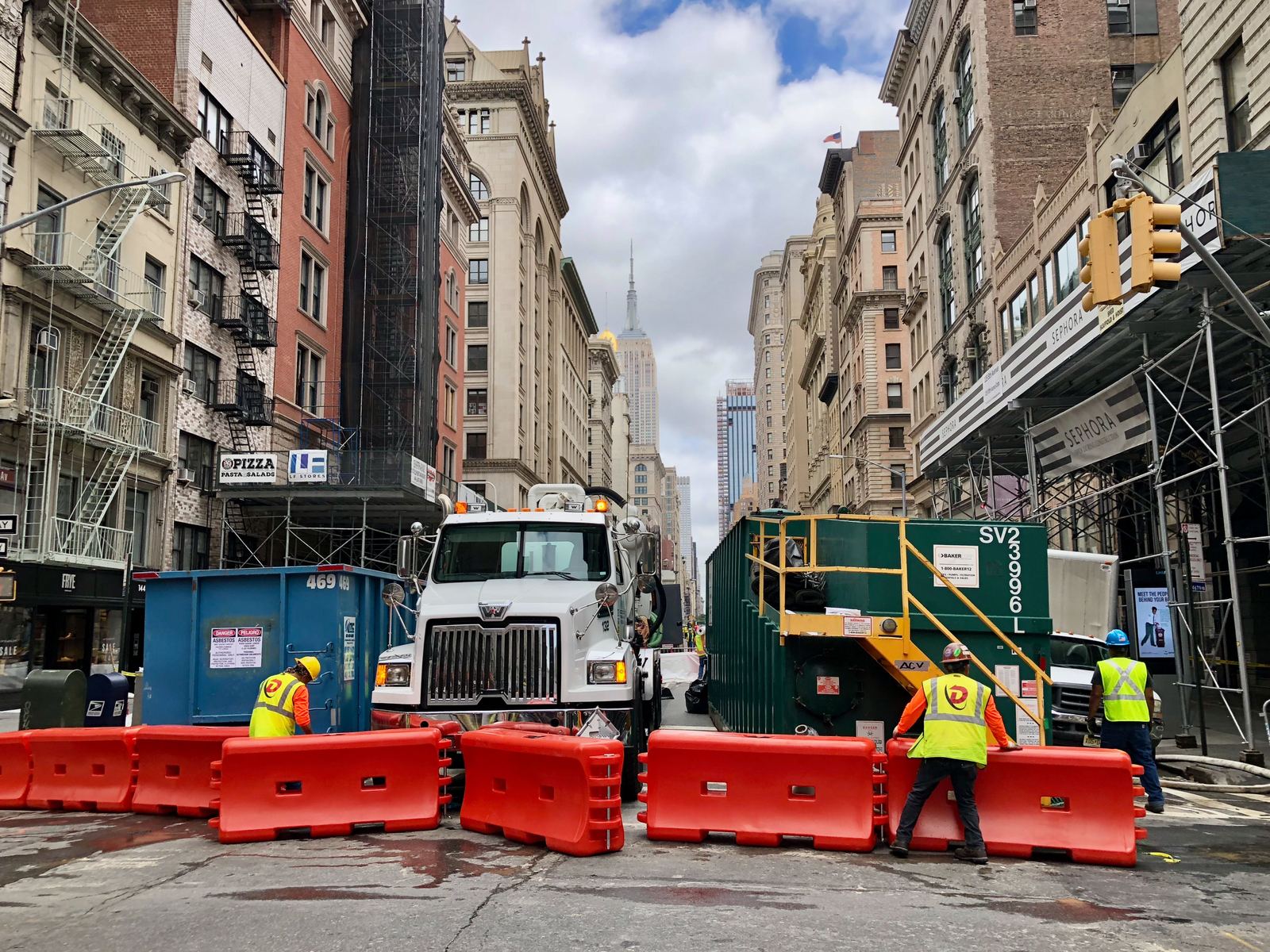
What is a Environmental/Remediation Specialist?
An Environmental/Remediation Specialist manages environmental hazards connected to a construction or demolition project, testing for contamination, coordinating remediation, and keeping the work compliant with environmental regulations so it doesn't create a hazard for workers or the public. This role sits at the intersection of several different federal and state regulatory schemes, each triggering its own mandatory certification depending on the specific hazard: OSHA's 40-hour HAZWOPER training (29 CFR 1910.120) is required for workers handling hazardous waste site cleanup or working at certain regulated hazardous waste facilities; EPA's Lead-Safe Certification is required by federal law for anyone disturbing lead-based paint during renovation or repair of a pre-1978 residence or child-occupied facility; and most states require a separate asbestos abatement license before a worker can perform asbestos removal. A specialist working across multiple hazard types over a career typically ends up holding more than one of these, since each applies only to the specific hazard it covers.
What they do
- Conduct or coordinate environmental testing (lead, asbestos, soil/groundwater contamination) before demolition or renovation
- Develop remediation plans and oversee abatement or cleanup work for compliance
- Ensure work complies with the specific federal or state rule that applies to the hazard present
- Coordinate with regulatory agencies on permitting, notifications, and inspections
- Train site workers on hazard-specific safety procedures
- Document remediation work for regulatory and liability purposes
A typical day
- 8:00 AMReview lab results from soil samples taken at a site being considered for redevelopment
- 9:30 AMWalk a renovation site with a licensed asbestos inspector ahead of planned demolition
- 11:30 AMFile a required regulatory notification ahead of an abatement project
- 1:30 PMTrain a crew on lead-safe work practices before renovation begins on a pre-1978 building
- 3:30 PMDocument completed remediation work for the project's compliance file
Skills
Software
Education
- Required:
- High school diploma or equivalent, plus whichever certification is legally required for the specific hazard being handled, OSHA's 40-hour HAZWOPER training for hazardous waste site work, EPA's Lead-Safe Certification for lead paint work in pre-1978 buildings, or a state-issued asbestos abatement license for asbestos work
- Preferred:
- Bachelor's degree in environmental science, occupational health and safety, or a related field
- Not necessary:
- A single credential covering every hazard type; none exists, since each is a separate, hazard-specific legal requirement
Career progression
- 1.Environmental Technician
- 2.Environmental/Remediation Specialist
- 3.Environmental Compliance Manager
- 4.Director of Environmental Health and Safety
Who hires for this role
Explore next