Career
Safety Manager
Project & Operations
Owns the jobsite's safety program, training, inspections, and incident tracking, on projects large enough to need a dedicated safety role beyond what the superintendent handles day to day.
What is a Safety Manager?
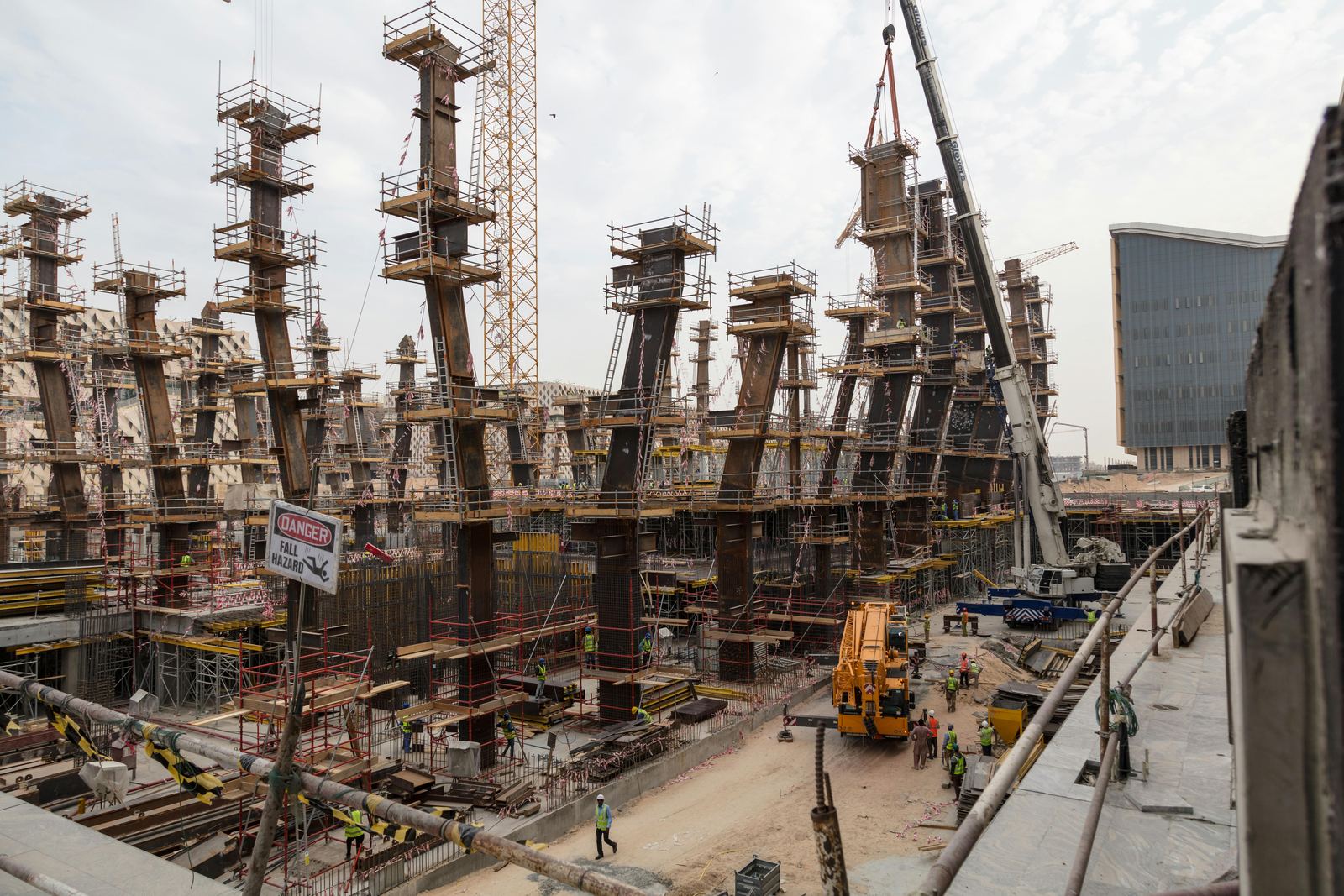
A Safety Manager builds and runs a project's (or a company's) safety program, training workers, conducting jobsite inspections, investigating incidents, and keeping the project in compliance with OSHA regulations. On smaller jobs, safety responsibility often falls to the superintendent alongside everything else they manage; larger projects and companies with a serious safety record to protect bring in a dedicated Safety Manager instead.
What they do
- Conduct regular jobsite safety inspections and document hazards for correction
- Train workers and subcontractors on jobsite-specific safety requirements
- Investigate incidents and near-misses, and track corrective actions
- Maintain OSHA-required recordkeeping (injury and illness logs) and prepare for regulatory inspections
- Develop site-specific safety plans for high-risk activities (excavation, fall protection, confined space)
- Track the company's safety metrics (incident rates) that affect its insurance costs and bid eligibility
A typical day
- 7:00 AMWalk the site before crews start, checking fall protection and housekeeping
- 8:00 AMDeliver a toolbox talk to a crew starting a high-risk excavation task
- 10:00 AMInvestigate a near-miss reported the previous day and document corrective steps
- 1:00 PMUpdate the OSHA injury and illness log and review upcoming high-risk work for the week
- 3:00 PMMeet with the superintendent to review a subcontractor's safety plan for an upcoming crane pick
Skills
OSHA regulation knowledge and complianceIncident investigationTraining and communicationRisk assessment for high-hazard activitiesRecordkeeping and reporting
Software
Procore
Education
- Required:
- High school diploma or equivalent. No OSHA certification is legally mandated nationwide for this role, but OSHA 30 becomes legally required for a safety supervisor on a public project in a state that mandates it (including New York, Massachusetts, Connecticut, Nevada, Missouri, and Rhode Island); most employers require it as standard practice everywhere else too
- Preferred:
- Bachelor's degree in occupational safety, construction management, or a related field
- Helpful:
- Associate Safety Professional (ASP) or Construction Health and Safety Technician (CHST) credential, both via the Board of Certified Safety Professionals (BCSP); Certified Safety Professional (CSP) as a longer-term goal
- Not necessary:
- A four-year degree, since many safety managers move into the role from the trades or from a superintendent track, backed by BCSP credentials rather than a specific degree
Career progression
- 1.Safety Coordinator
- 2.Safety Manager
- 3.Senior Safety Manager or Regional Safety Director
- 4.VP of Safety / Corporate Safety Director
Who hires for this role
General ContractorsConstruction Management FirmsLarge Subcontractors
Explore next
ConstructionCertificate of InsurancePrequalification (of Bidders)Stop Work OrderIndemnificationBuilder's Risk InsuranceGeneral Liability InsuranceWorkers' Compensation InsuranceWaiver of SubrogationHazardous Material AbatementFire Sprinkler SystemStandpipe SystemFire Alarm SystemExcavationShoringOSHA (Occupational Safety and Health Administration)Job Hazard Analysis (JHA)Toolbox TalkCompetent PersonSafety Data Sheet (SDS)Personal Protective Equipment (PPE)Fall ProtectionLockout/Tagout (LOTO)Confined Space EntrySilica Exposure StandardHeat Illness PreventionTotal Recordable Incident Rate (TRIR)OSHA Recordable IncidentNear MissStop Work AuthoritySafety OrientationHot Work PermitExcavation & Trenching SafetyScaffolding SafetyCrane Lift PlanSuperintendentOSHA 30-Hour ConstructionConstruction Interview Basics: What to ExpectQuality Control ManagerEnvironmental/Remediation SpecialistProject & Operations Interview GuideHow a Jobsite Actually Stays SafeMitti (formerly SafetyCulture)HammerTechSite Preparation & MobilizationAssistant SuperintendentRisk ManagerLoss Control / Risk EngineerEmergency Action PlanHazard Communication StandardOSHA 10/30-Hour TrainingRespiratory Protection ProgramTrench Box / Protective SystemLoading Dock EquipmentSWPPP (Stormwater Pollution Prevention Plan)SkylightsMaterial & Freight LiftsFire PumpArtificial Intelligence in ConstructionWearable Safety Technology