Career
Superintendent
Project & Operations
Runs the jobsite day-to-day so the schedule, the safety, and the actual sequence of work all hold together.
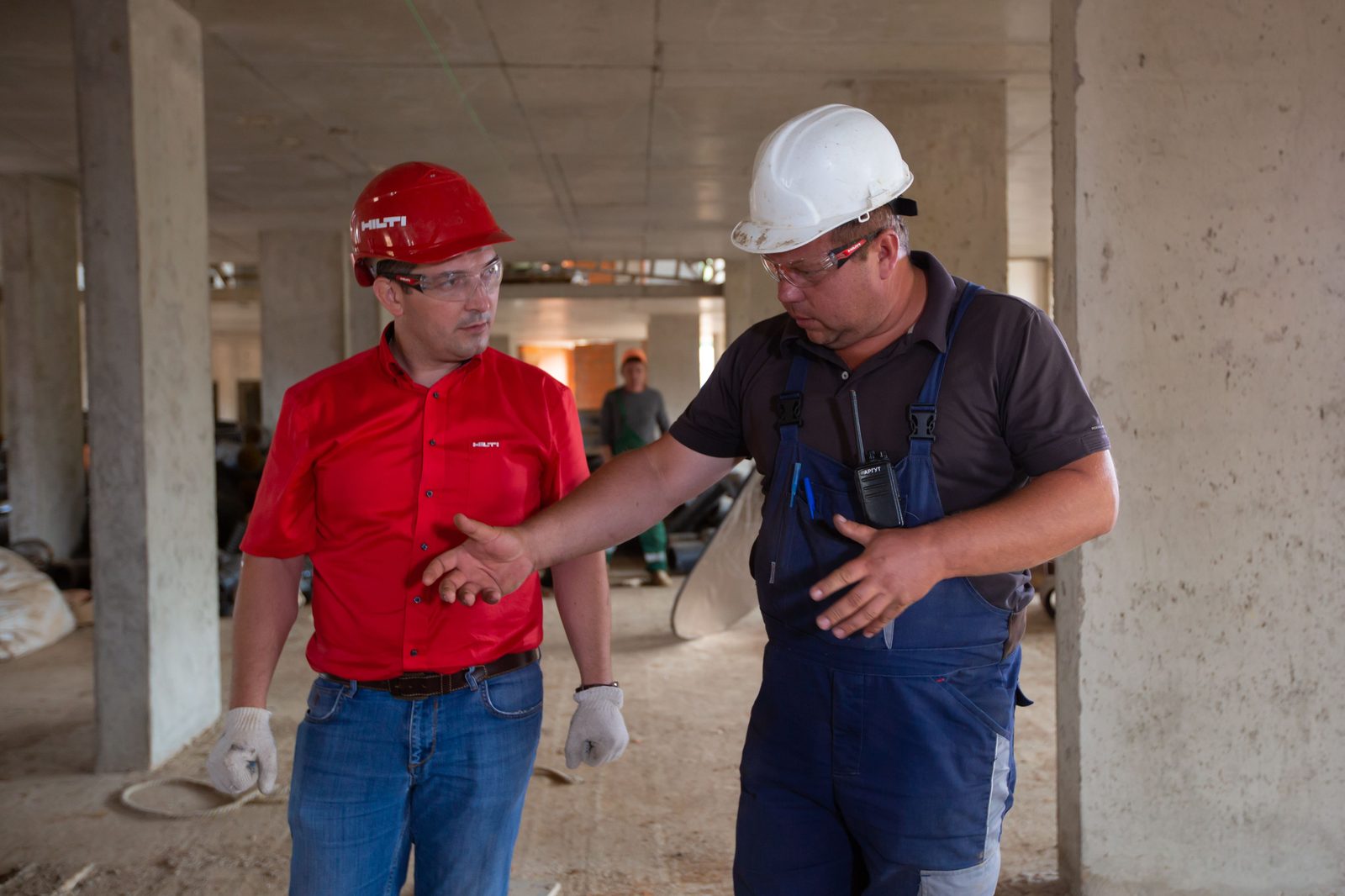
What is a Superintendent?
A Superintendent ("super") is the general contractor's senior person physically on site every day, responsible for the means and methods of construction: which trade works where, in what order, and whether what just got built actually matches the drawings before it gets covered up. Where a Project Manager owns the budget and the paperwork, the superintendent owns the field: safety, sequencing, and quality control on the ground.
What they do
- Walk the site daily to check progress against the schedule and catch problems early
- Coordinate the day-to-day sequencing of subcontractors so trades aren't fighting over the same space
- Enforce jobsite safety rules and run daily safety briefings
- Inspect completed work against the drawings before it's covered by the next trade
- File RFIs from the field when the drawings don't match what's actually buildable
- Escalate anything that will affect cost or schedule to the project manager, usually as the first step toward a change order
A typical day
- 6:30 AMWalk the site before crews arrive, checking yesterday's work and today's material staging
- 7:00 AMRun the morning safety briefing and hand out the day's work assignments to each trade
- 9:00 AMResolve a sequencing conflict between two trades scheduled for the same space; one gets moved
- 12:00 PMInspect framing before the drywall crew closes up a wall, catch a dimension issue, file an RFI
- 3:00 PMUpdate the project manager on progress and flag a schedule risk from a delayed material delivery
Skills
Field coordination and sequencingReading construction drawingsSafety management (often OSHA 30 certified)Conflict resolutionScheduling
Software
ProcoreBluebeam
Education
- Required:
- High school diploma or equivalent. No OSHA certification is legally mandated nationwide for this role, but OSHA 30 becomes legally required for a construction supervisor on a public project in a state that mandates it (including New York, Massachusetts, Connecticut, Nevada, Missouri, and Rhode Island); most employers expect it as standard practice everywhere else too
- Helpful:
- A construction management degree helps but is far from universal in this role
- Not necessary:
- A four-year degree; most superintendents are promoted up through the trades (starting as a tradesperson or foreman) rather than hired straight out of school
Career progression
- 1.Foreman
- 2.Assistant Superintendent
- 3.Superintendent
- 4.Senior or General Superintendent
- 5.Director of Field Operations
Who hires for this role
General ContractorsConstruction Management Firms
Explore next
ConstructionRFI (Request for Information)Change OrderGeneral ContractorFoundationSubmittalPunch ListMobilizationSubstantial CompletionCertificate of OccupancyLook-Ahead ScheduleConstructability ReviewDaily ReportPreconstruction ConferenceSite Logistics PlanTemporary FacilitiesFloat (Schedule)AccelerationPull PlanningWeather DayNon-Conformance Report (NCR)Special InspectionMock-UpStop Work OrderOSHA (Occupational Safety and Health Administration)Job Hazard Analysis (JHA)Toolbox TalkNear MissBack-ChargeUnion vs. Open Shop (Merit Shop)DemolitionFormworkSteel DeckingRough CarpentryModular/Prefabricated ConstructionRough-In PlumbingDuctworkRough-In HVACRough-In ElectricalProcoreProject ManagerOSHA 30-Hour ConstructionCCM (Certified Construction Manager)Construction Interview Basics: What to ExpectProject EngineerCarpenterSafety ManagerQuality Control ManagerWelderMasonEquipment OperatorConcrete Worker (Cement Mason / Finisher)IronworkerRooferProject & Operations Interview GuideHow a Jobsite Actually Stays SafeHow a Project Actually Closes OutHow a Building Actually Gets Built, Foundation to FinishAutodesk BuildFieldwireFind Your Career MatchGlazierAssistant SuperintendentCivil EngineerPre-Construction Condition SurveyLaydown YardPre-Installation Meeting