Career
Concrete Worker (Cement Mason / Finisher)
Field & Trades
Places, shapes, and finishes concrete before it sets, a narrow window to get a permanent, highly visible surface exactly right.
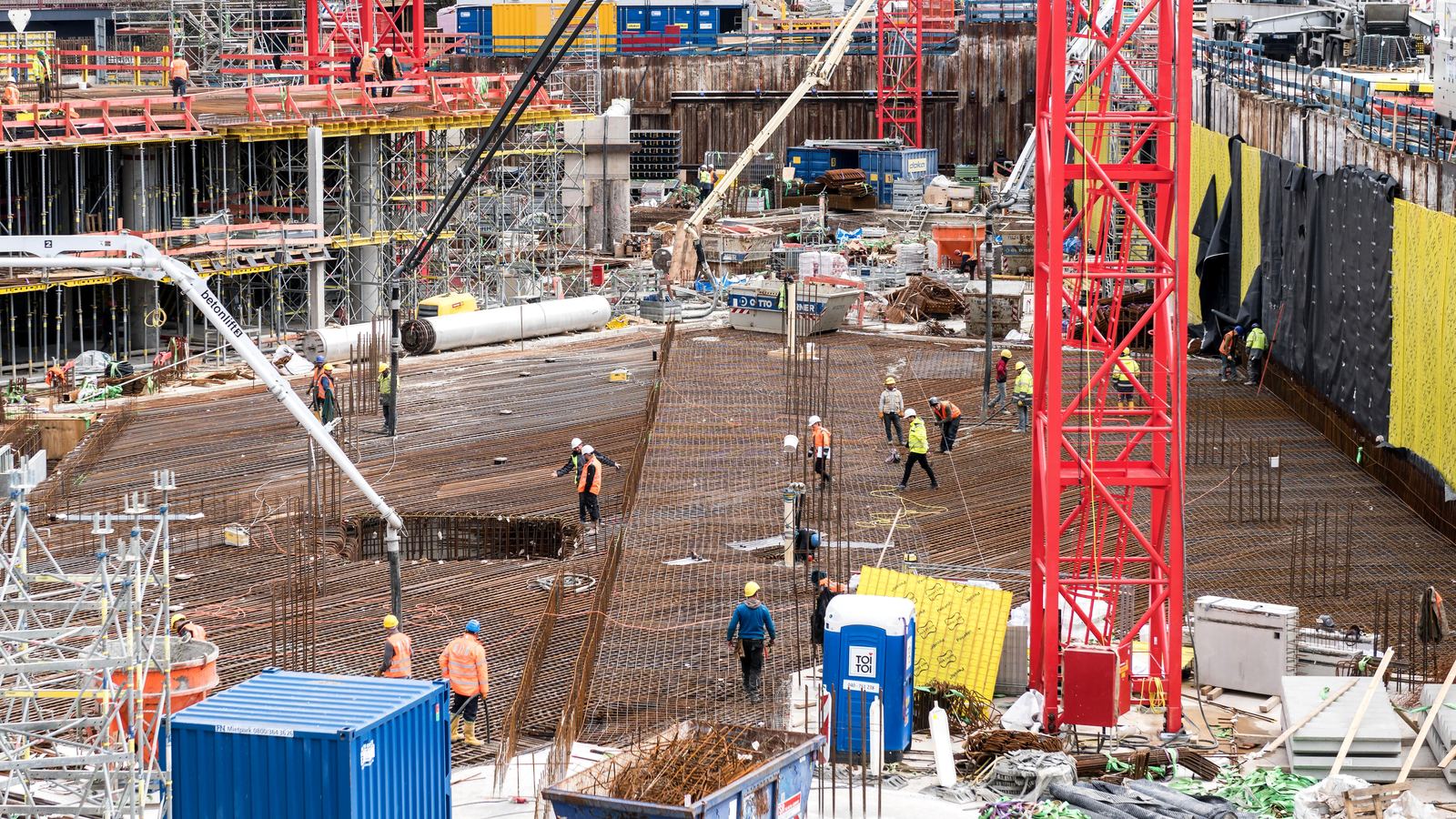
What is a Concrete Worker (Cement Mason / Finisher)?
A Concrete Worker (also called a Cement Mason or Concrete Finisher) places, consolidates, and finishes concrete, floors, sidewalks, driveways, foundations, and structural slabs, working within the short window before concrete cures. The finish has to be right the first time; once concrete sets, mistakes usually mean cutting it out and starting over rather than sanding or repainting. No government license is legally required to do this work.
What they do
- Set forms that define the shape and boundaries of a concrete pour
- Place and consolidate wet concrete, working it into forms and around reinforcing steel
- Screed, float, and trowel the surface to the specified finish (broom, smooth, exposed aggregate, and more)
- Cut control joints to manage cracking as the concrete cures
- Apply curing compounds and protect fresh concrete from weather and early traffic
- Read plans and specifications for slab thickness, reinforcement, and finish requirements
A typical day
- 6:00 AMArrive early to set forms and check reinforcing steel placement before the concrete truck arrives
- 7:30 AMPlace and consolidate concrete as it's poured, working quickly before it begins to set
- 9:30 AMScreed and float the surface to bring it to grade and remove high spots
- 11:30 AMApply the specified finish once the concrete has set up enough to work without marring it
- 1:00 PMCut control joints and apply curing compound before leaving the pour to cure
Skills
Timing and judgment (reading when concrete is ready for each finishing step)Physical stamina and comfort working in awkward positions for extended periodsReading plans and specifications for slab and finish requirementsPrecision (a slab has to be level and to grade)Teamwork and coordination during a pour, which moves fast and can't pause
Software
Generally none; this is a hands-on field trade
Education
- Required:
- High school diploma or equivalent. No license is legally required to work as a concrete finisher
- Preferred:
- Completion of a formal apprenticeship (typically through a union or trade association) rather than a college degree
- Helpful:
- ACI (American Concrete Institute) certifications such as Concrete Flatwork Finisher/Technician are optional, but some project specifications require ACI-certified personnel for certain concrete work, worth pursuing if a specific job or employer calls for it
- Not necessary:
- A college degree; this trade is learned through apprenticeship and hands-on experience
Career progression
- 1.Concrete Laborer
- 2.Concrete Finisher
- 3.Lead Finisher or Foreman
- 4.Concrete Superintendent or own a concrete finishing business
Who hires for this role
Concrete SubcontractorsGeneral ContractorsSpecialty Flatwork Contractors
Explore next
ConstructionFoundationGeneral ContractorFootingSlab-on-GradeConcrete CuringWaterproofingRetaining WallSilica Exposure StandardSuperintendentMasonOSHA 10-Hour ConstructionNCCER Core CurriculumConstruction Interview Basics: What to ExpectConstruction LaborerField & Trades Interview GuideStructural EngineerConcrete AdmixturesPost-Tensioned ConcreteTilt-Up ConcreteShotcreteEpoxy & Resinous FlooringSite Concrete, Curbs & SidewalksFrom Dirt to Deck