Structural Engineer
Technology & Design
Designs the structural steel, concrete, and foundation systems that keep a building standing, pairing with the trades that actually build what the drawings specify.
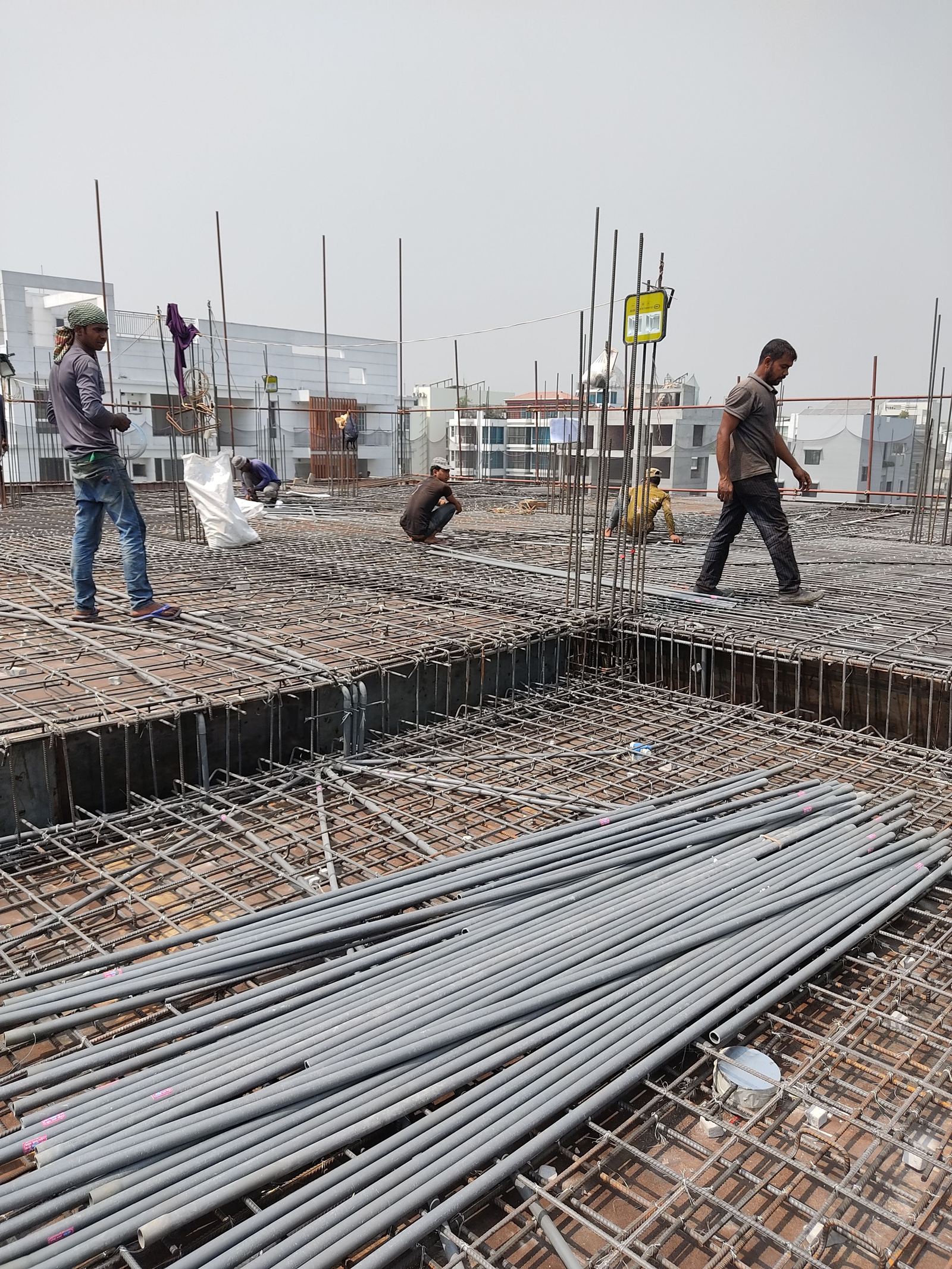
What is a Structural Engineer?
A Structural Engineer designs the systems that carry a building's loads, foundations, structural steel or concrete framing, and the connections that hold it all together, then produces the calculations and drawings that prove the design meets code. It's a licensed profession like civil engineering, and in a meaningful number of states the licensing is a level stricter: some states require a separate Structural Engineer (SE) license, beyond a general PE, to stamp drawings for taller buildings or higher-risk structures, while others treat SE as an optional add-on credential to an existing PE.
What they do
- Design structural systems (foundations, framing, connections) to meet code-required loads
- Perform structural calculations for gravity, wind, and seismic loads
- Produce structural drawings and specifications for construction
- Review shop drawings and submittals from steel fabricators and concrete subcontractors
- Respond to RFIs about structural conditions discovered during construction
- Coordinate with architects, civil engineers, and MEP engineers on how systems fit together
A typical day
- 8:00 AMReview structural calculations for a foundation design against updated geotechnical data
- 10:00 AMReview structural steel shop drawings submitted by the fabricator
- 12:30 PMCoordinate with the architect on a structural conflict with a mechanical shaft location
- 2:00 PMRespond to an RFI about an unexpected structural condition uncovered during demolition
- 3:30 PMUpdate structural drawings to reflect an approved change
Skills
Software
Education
- Required:
- A bachelor's degree in civil or structural engineering from an ABET-accredited program, then passing the Fundamentals of Engineering (FE) exam, then typically four years of progressive experience under a licensed PE before sitting for the Professional Engineer (PE) Structural exam. A PE license is legally required to stamp structural drawings, and some states also require a separate Structural Engineer (SE) license, a stricter credential, for taller buildings or higher-risk essential facilities
- Not necessary:
- A background in construction trades; most structural engineers come directly from an engineering degree program
Career progression
- 1.Engineer in Training (EIT)
- 2.Structural Engineer
- 3.Senior Structural Engineer or Project Engineer (design firm side)
- 4.Principal Engineer or Engineering Manager
Who hires for this role
Explore next