Roofer
Field & Trades
Installs and repairs the one system every building depends on to keep water out, physically demanding work done almost entirely outdoors, at height.
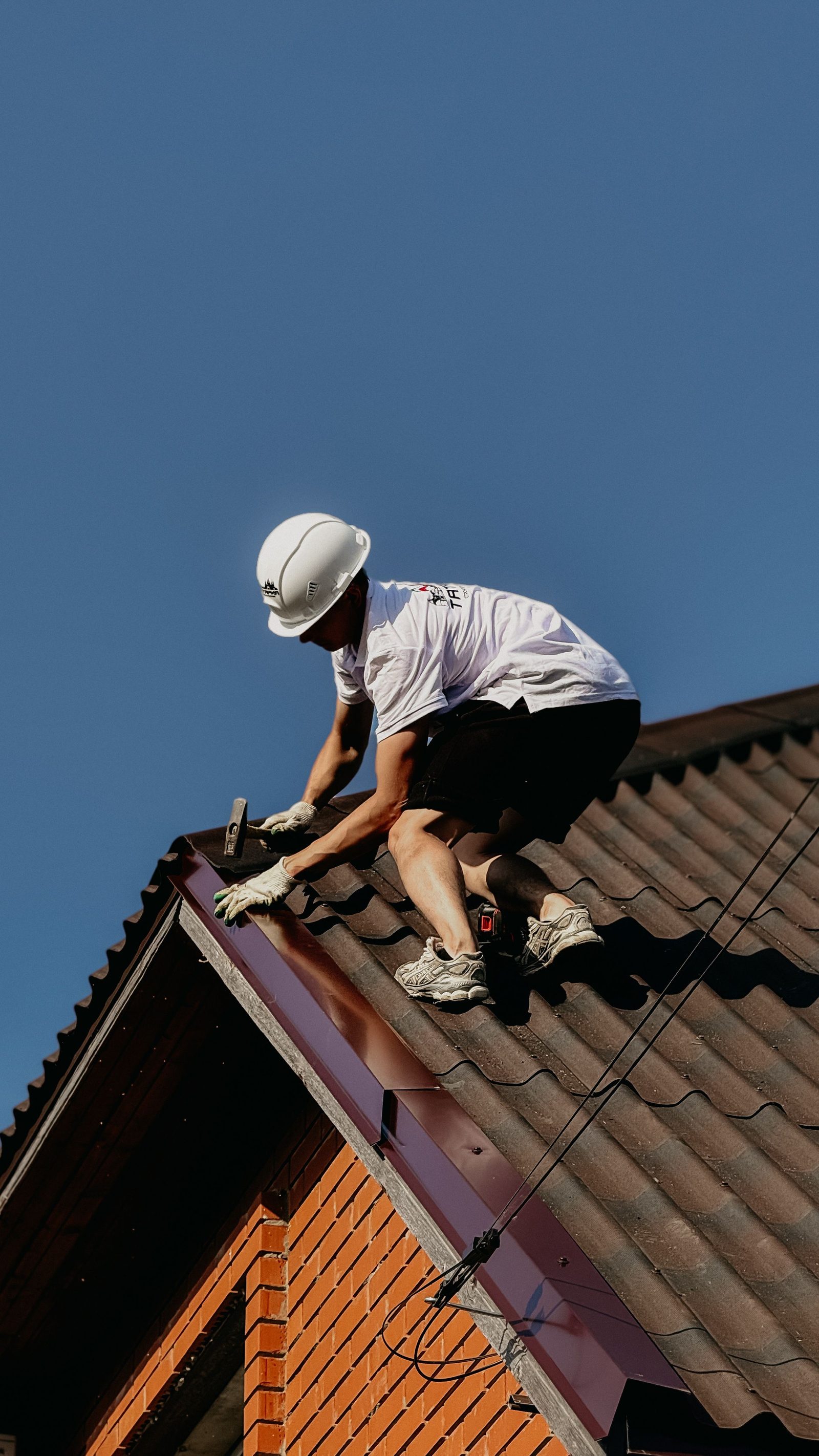
What is a Roofer?
A Roofer installs, repairs, and replaces roofing systems, shingles, tile, metal, or low-slope membrane roofing, on new construction and existing buildings. No personal license is legally required to work as an employee roofer in most of the country; roofing licensing in the states that require it (including California, Nevada, and Utah) applies at the business/contractor level, the person who contracts directly with customers and pulls permits, not to every roofer on a crew. A number of states (including Georgia, Missouri, Ohio, Pennsylvania, Texas, and others) have no state-level roofing license requirement at all, though local jurisdictions can impose their own.
What they do
- Install roofing materials (shingles, tile, metal panels, or membrane systems) per manufacturer specifications
- Remove and dispose of old roofing during a re-roof or repair
- Inspect roofs for leaks, damage, and wear, and identify the cause of a failure
- Install flashing, underlayment, and ventilation components that keep a roof system watertight
- Follow fall-protection procedures required for work at height on a sloped or low-slope roof
- Coordinate with insurance adjusters or estimators when the work is tied to a storm-damage claim
A typical day
- 6:30 AMLoad materials and equipment for the day's job, check the weather forecast
- 7:30 AMSet up fall protection and begin tearing off old roofing on a re-roof job
- 10:00 AMInstall underlayment and begin laying the new roofing material
- 1:00 PMInstall flashing around a chimney and vents to keep those transitions watertight
- 3:30 PMDo a final walk of the completed sections and clean up debris and materials
Skills
Software
Education
- Required:
- High school diploma or equivalent, since no personal license is legally required to work as an employee roofer in most states. A person who wants to independently contract roofing work (sign contracts, pull permits) typically needs a state roofing or general contractor license in states that require one; that requirement is business-level, and which states require it varies widely
- Preferred:
- On-the-job training or a formal roofing apprenticeship
- Helpful:
- OSHA 10 or OSHA 30 certification, manufacturer-specific installation certifications for particular roofing systems
- Not necessary:
- A college degree, since this trade is learned almost entirely on the job
Career progression
- 1.Roofing Laborer
- 2.Roofer
- 3.Crew Lead or Foreman
- 4.Roofing Superintendent or own a roofing contracting business
Who hires for this role
Explore next